Sunlight enters through vehicle glass and warms the dashboard, seats and trim. Those hot surfaces then warm the cabin air, while a closed vehicle has little ventilation. Dark materials and direct sun can make contact surfaces uncomfortable even when the outdoor temperature feels manageable.
Short-wave sunlight passes through the windows and is absorbed by interior surfaces. The warmed surfaces release heat and the closed cabin slows its escape. This is why cracking a window slightly may help ventilation but does not make a parked vehicle safe for a child or pet.
Why glass traps heat
Short-wave sunlight passes through the windows and is absorbed by interior surfaces. The warmed surfaces release heat and the closed cabin slows its escape. This is why cracking a window slightly may help ventilation but does not make a parked vehicle safe for a child or pet.
The role of colour and material
Dark dashboards and leather-style surfaces absorb more visible energy, while metal belt buckles and trim can become especially hot. Material colour is only one factor; sun angle, glass area, parking duration and ventilation all matter.
How heat affects the interior
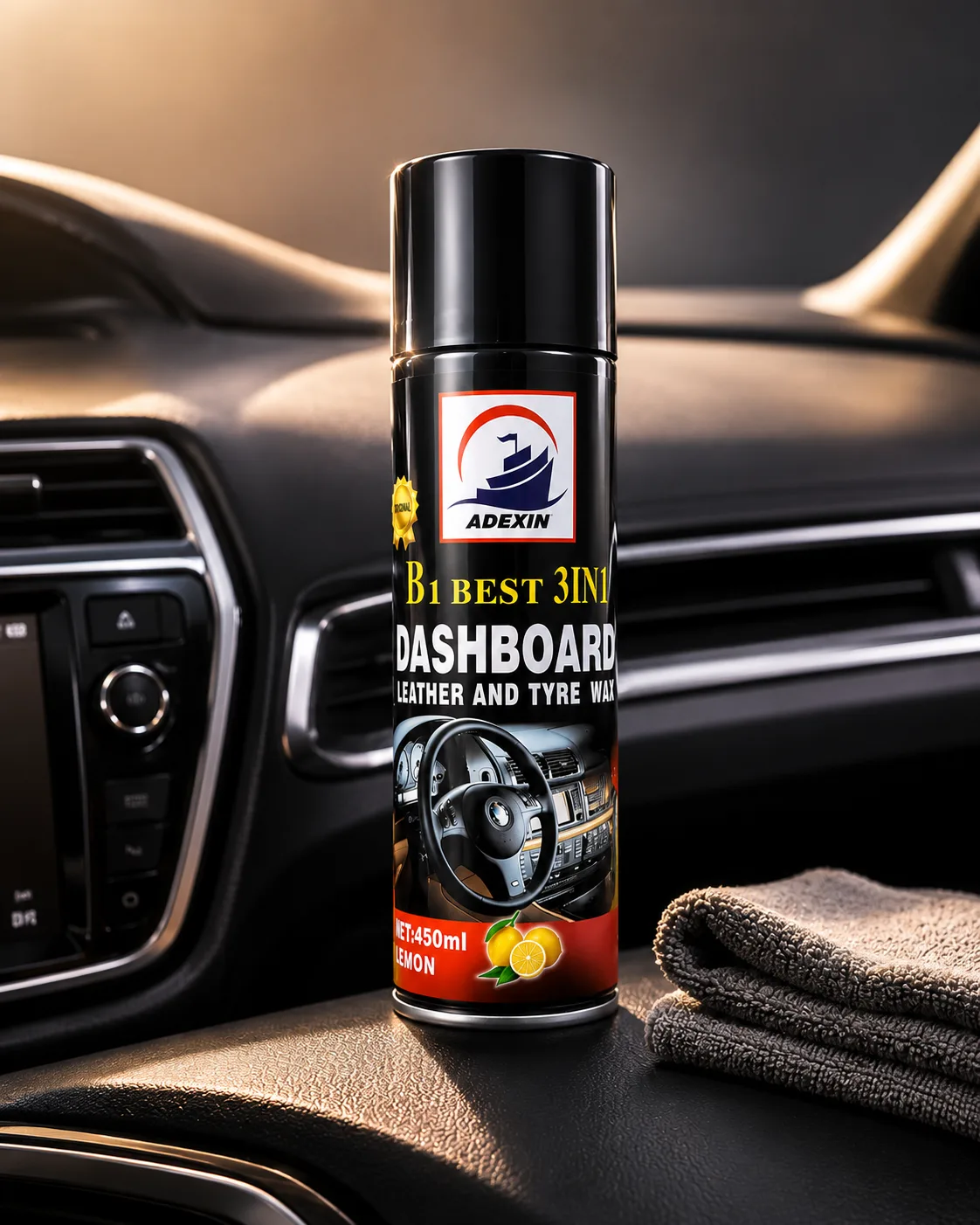
Repeated heat and ultraviolet exposure can contribute to fading, hardening, adhesive failure and cracking over time. Dust and unsuitable cleaners may accelerate visible wear. Sensitive electronics, fragrances and pressurised containers should not be stored in extreme cabin heat.
Practical ways to reduce exposure
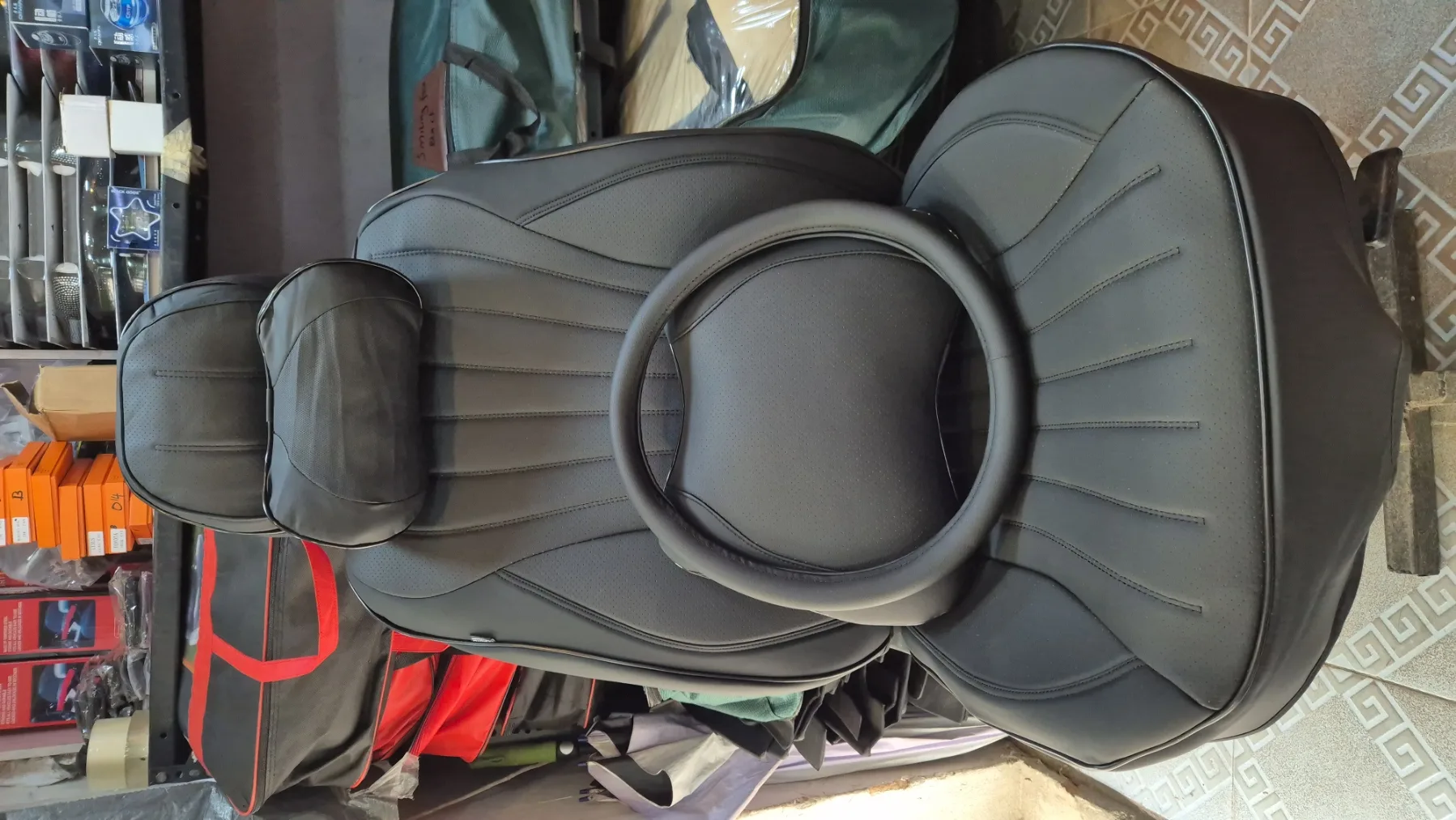
Use shade where safe, orient the car to reduce direct dashboard exposure, and use a correctly fitted windscreen shade while parked. Seat and dashboard protection can reduce direct wear but should never cover airbags, vents, sensors or the driver’s view.
Cool the car before driving
Open doors or windows briefly when safe, start ventilation and allow very hot surfaces to cool before contact. Never leave children, vulnerable adults or animals in a parked car, even for a short time or with windows partly open.
What accessories cannot solve
Covers and shades reduce exposure but do not eliminate cabin heat. Window film must comply with current rules and be professionally installed. AC faults, unusual smells and water leaks require proper diagnosis rather than cosmetic accessories.
This guide provides general buying and safety information, not vehicle-specific technical or legal advice. Manufacturer instructions and current official Nigerian requirements take priority.