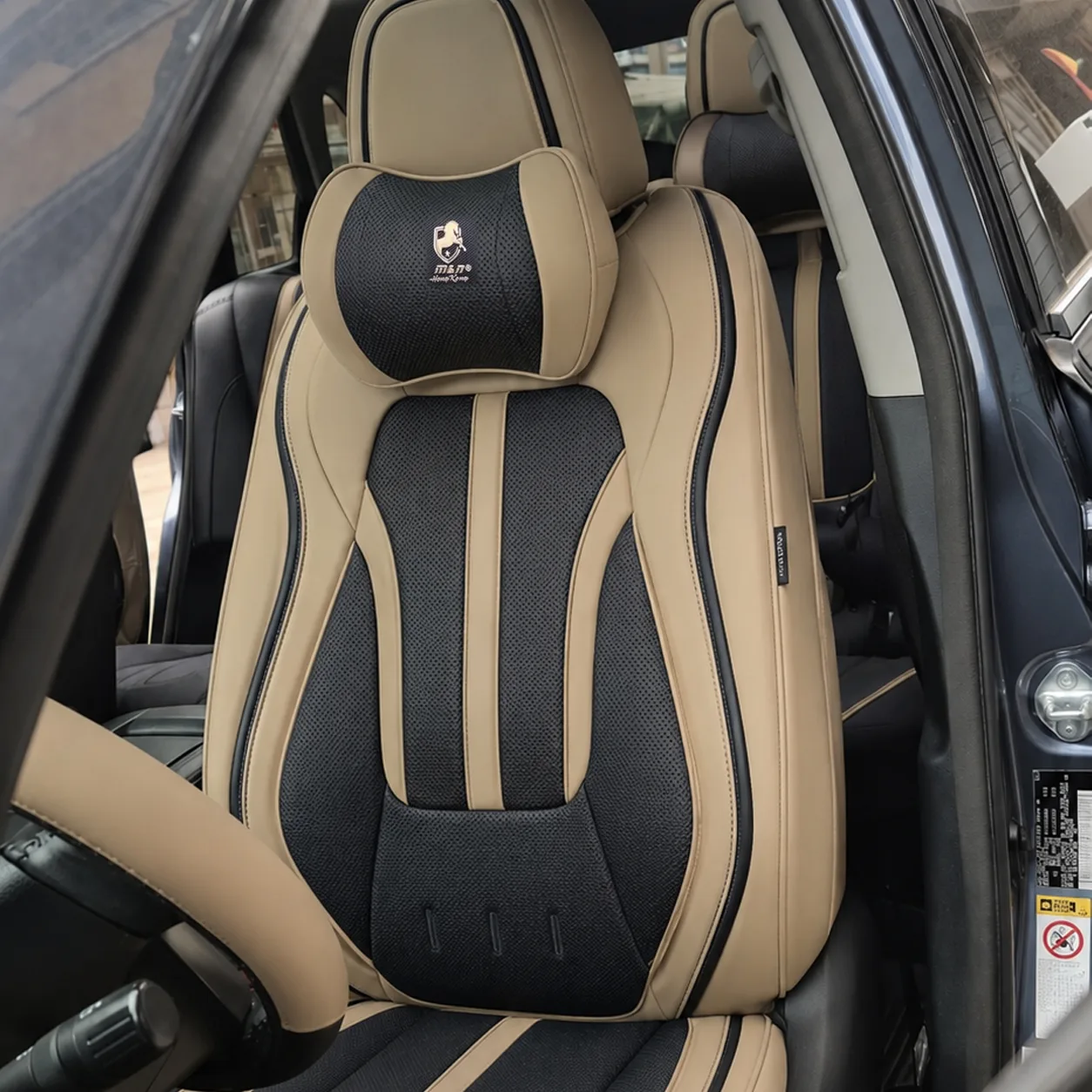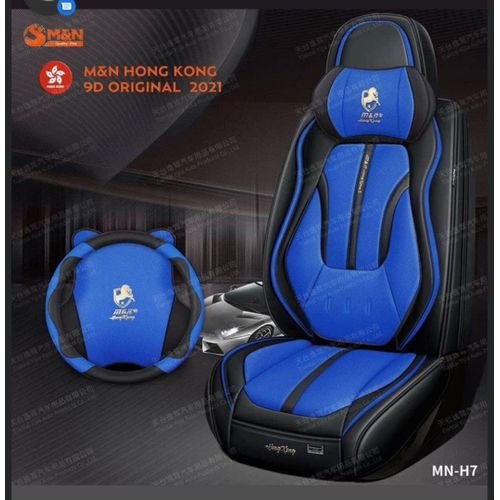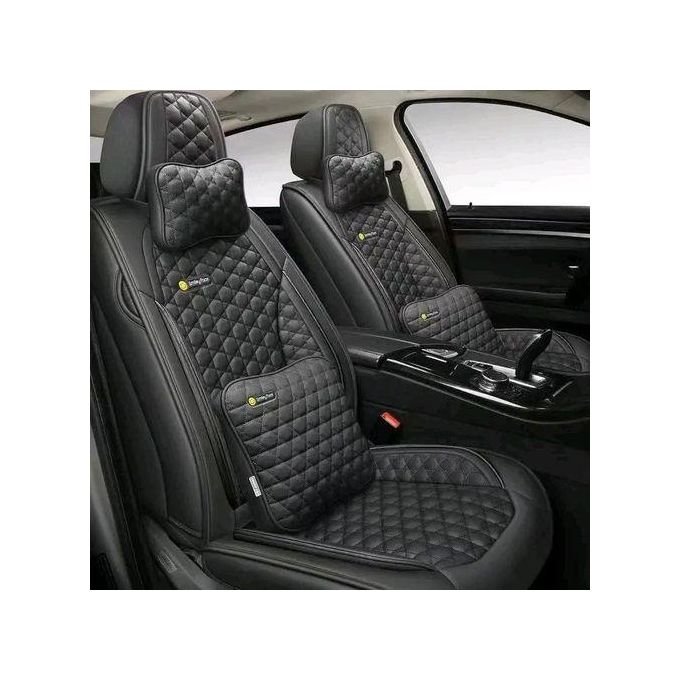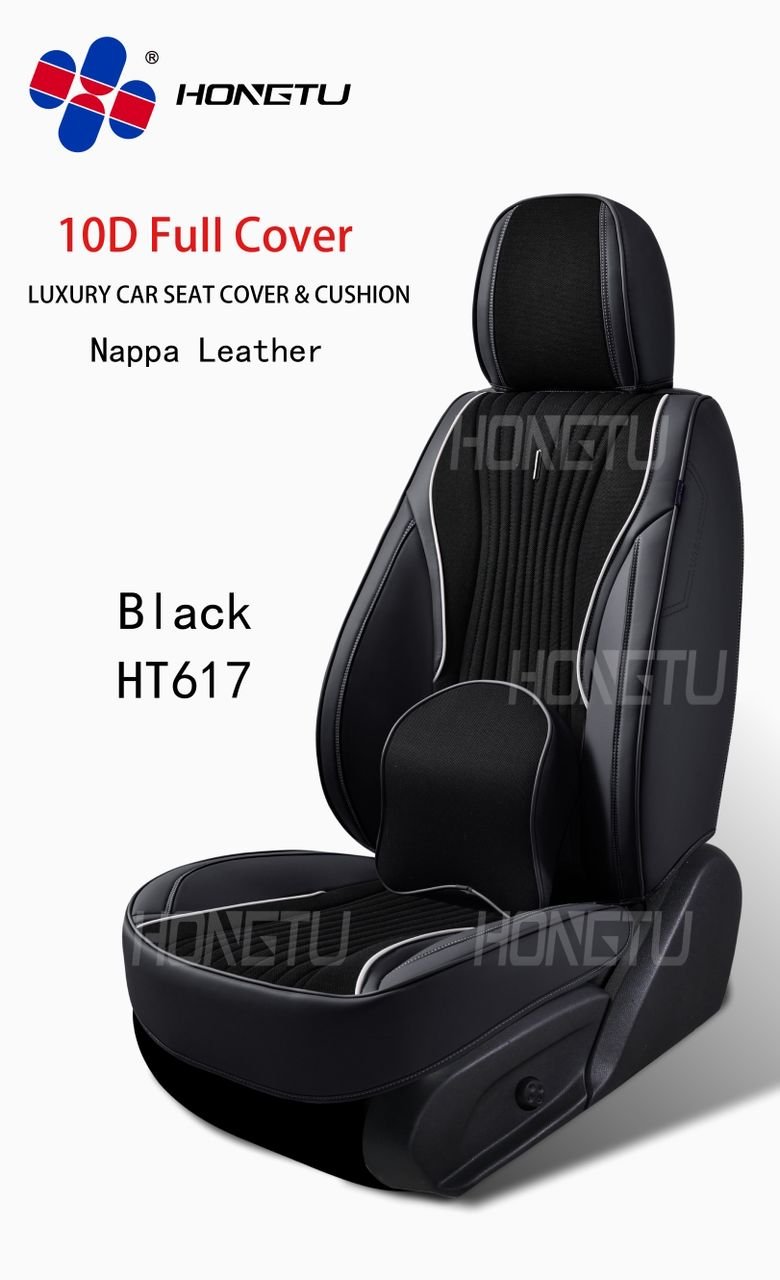
Leather and leather-style seats last longer when dust, sweat and spills are removed gently and the cabin is protected from repeated heat. First identify the seat material because genuine leather, coated leather, vinyl and synthetic upholstery do not always use the same cleaner or conditioner.
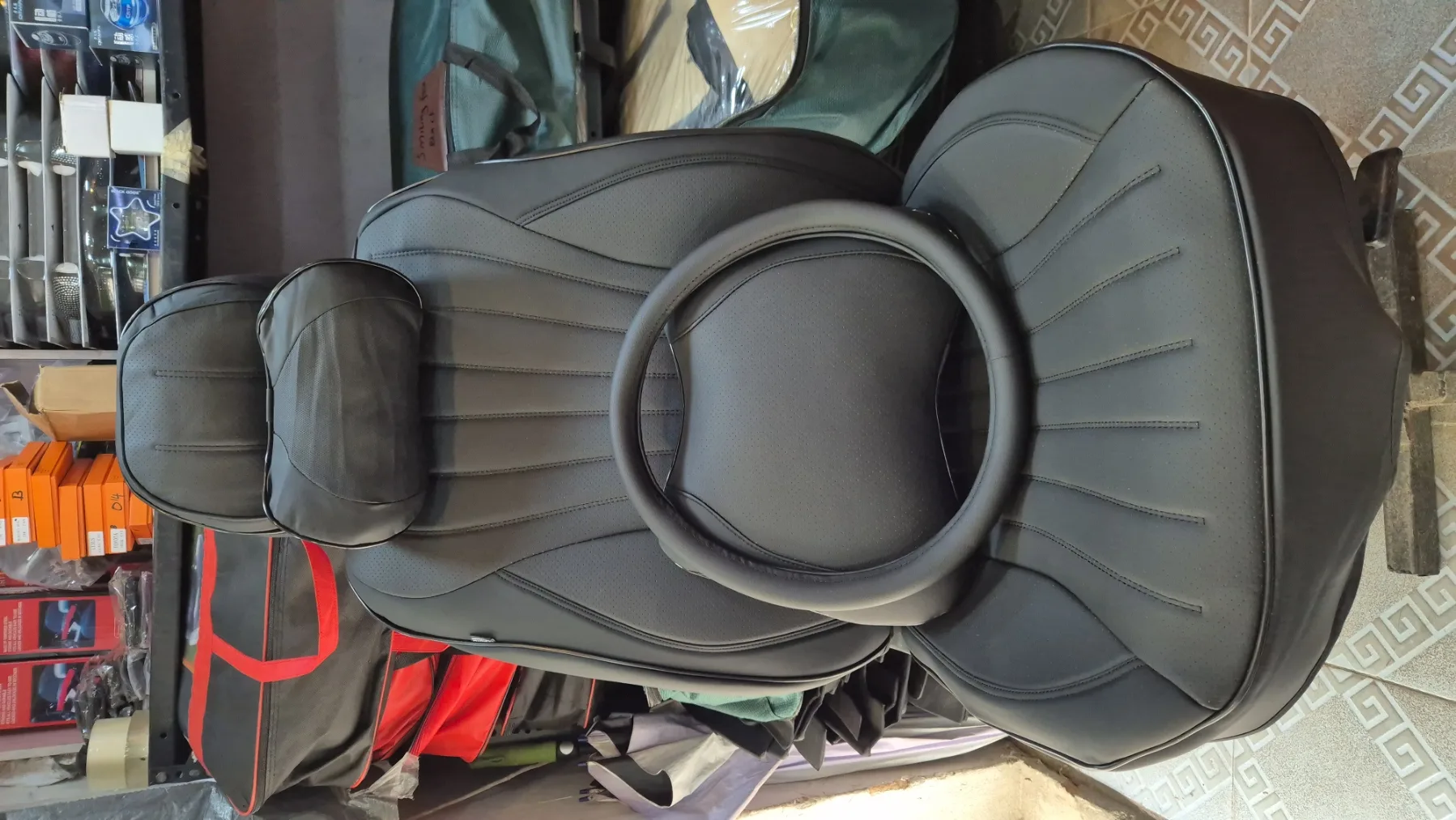
Use shade and a windscreen screen while parked, ventilate before sitting and avoid leaving the same seat section in direct sun every day. Covers can reduce contact wear, but they must preserve airbags, buckles, controls, ventilation and occupancy sensors.
Control sun and heat exposure
Use shade and a windscreen screen while parked, ventilate before sitting and avoid leaving the same seat section in direct sun every day. Covers can reduce contact wear, but they must preserve airbags, buckles, controls, ventilation and occupancy sensors.
Remove dust before wiping
Vacuum seams with a suitable soft attachment, then wipe with a clean microfibre cloth. Rubbing gritty dust into the surface creates wear. Clean spills promptly, blotting rather than spreading liquid into perforations or stitching.
Choose compatible products
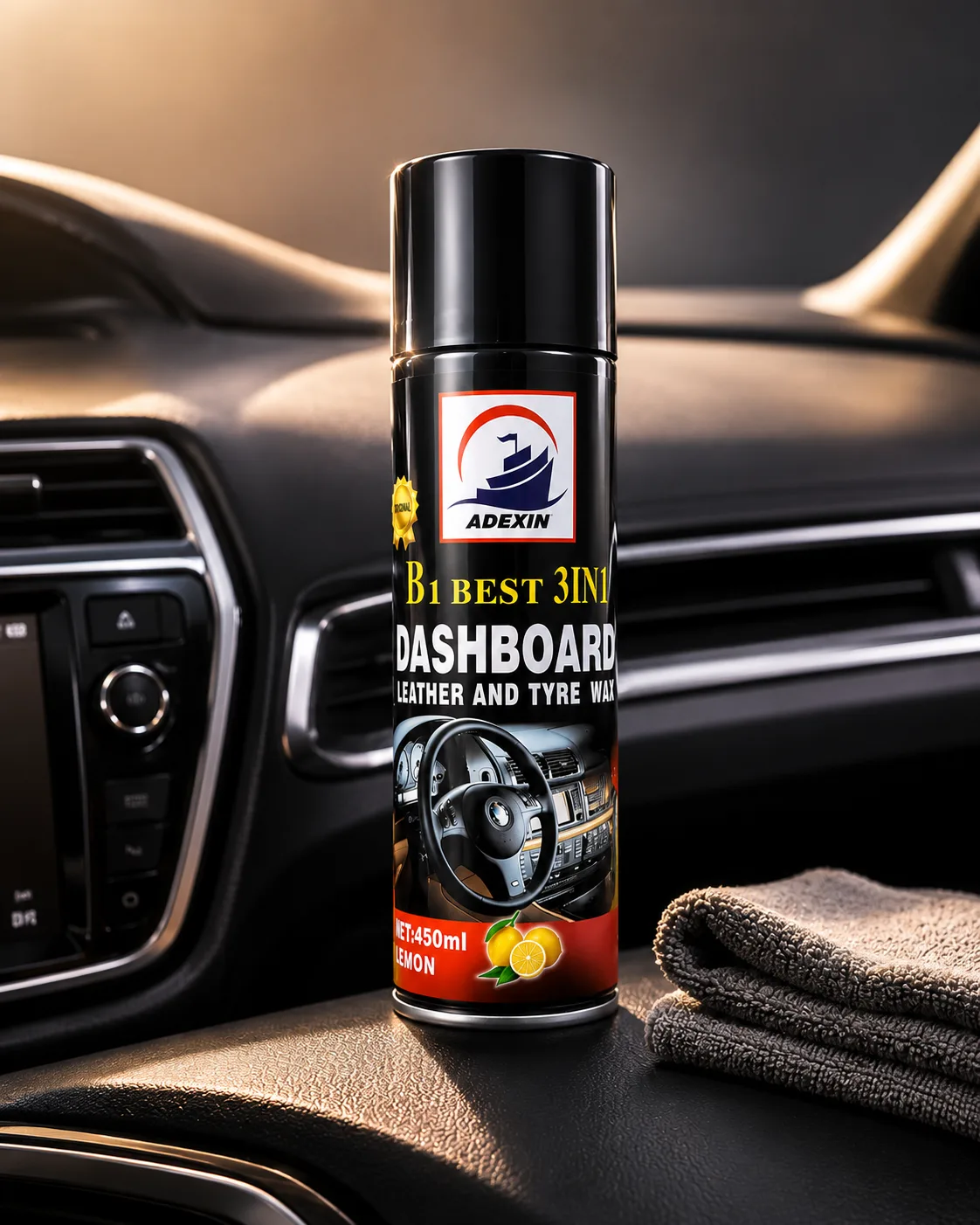
Use the vehicle or upholstery manufacturer’s guidance. Test cleaners in a hidden area and avoid bleach, strong solvent, washing-up liquid and silicone-heavy products that leave a slippery finish. Never soak perforated or electrically equipped seats.
Condition only where appropriate
Some genuine leather benefits from a compatible conditioner; many modern coated or synthetic surfaces do not absorb traditional conditioner. More product is not better. Apply sparingly, remove residue and confirm that the seat is not slippery before driving.
Manage sweat, food and children
Use washable protection where suitable, remove crumbs from seams and do not leave wet towels or clothing on seats. During school runs, a small routine after each day prevents stains from becoming a major weekend cleaning job.
Inspect fitment and wear
Remove covers periodically to inspect original upholstery and attachment points. Address loose stitching, sharp hardware or trapped moisture early. For side-airbag seats or complex electrical seats, professional fitment is the safer choice.
This guide provides general buying and safety information, not vehicle-specific technical or legal advice. Manufacturer instructions and current official Nigerian requirements take priority.