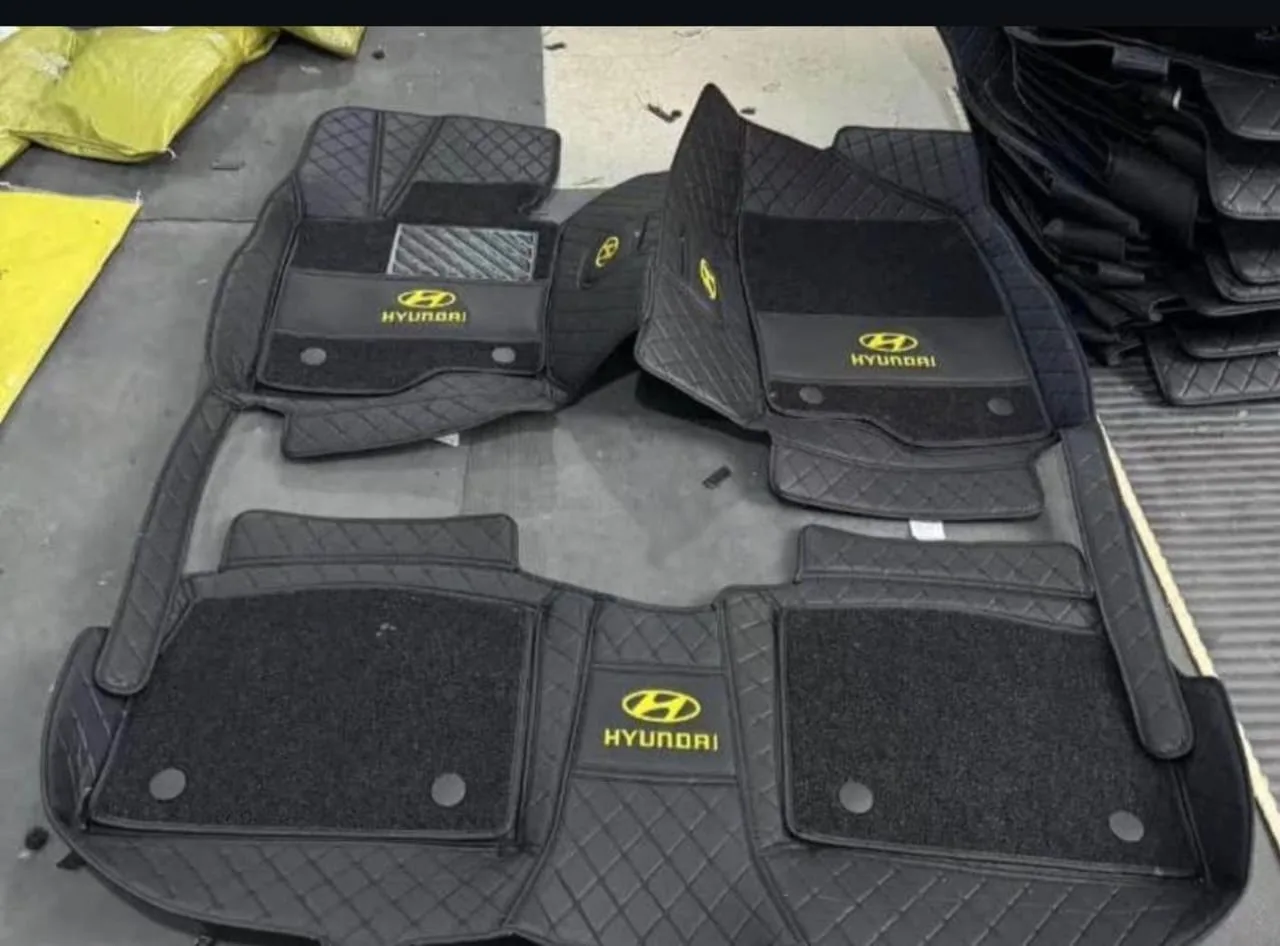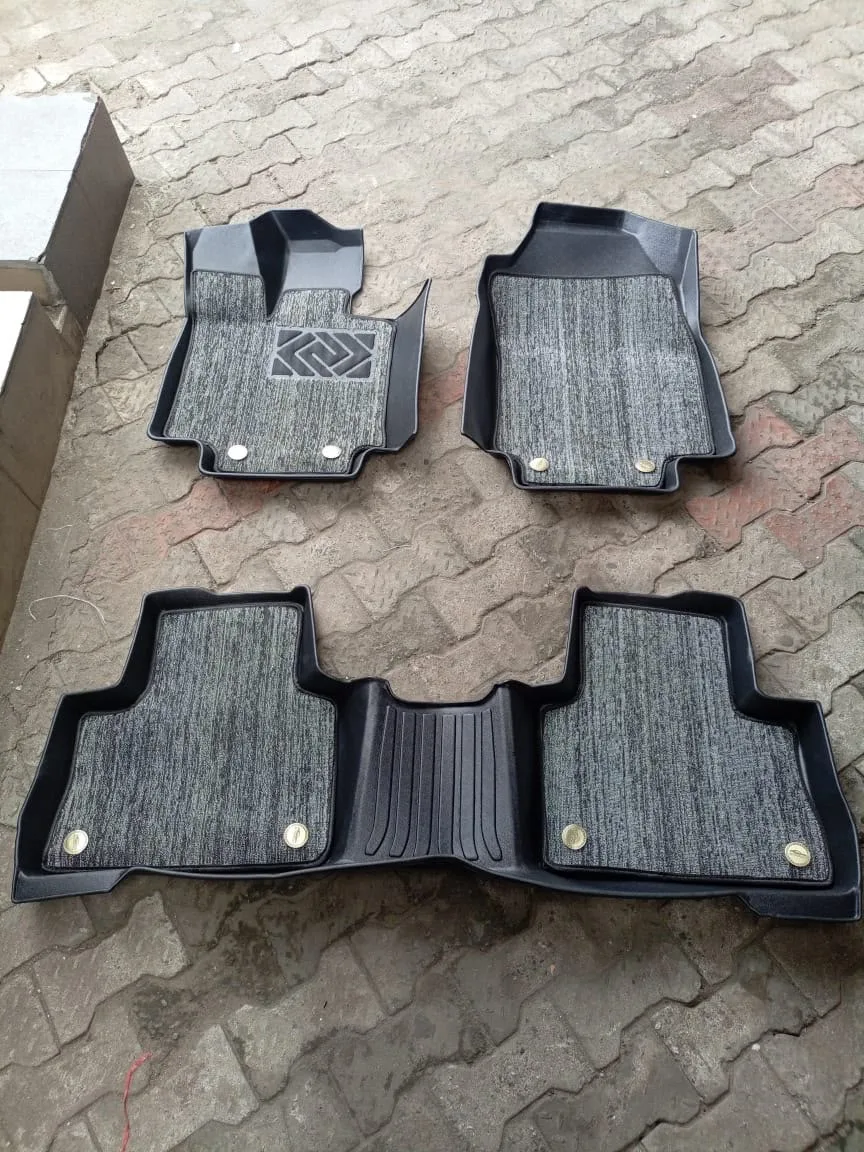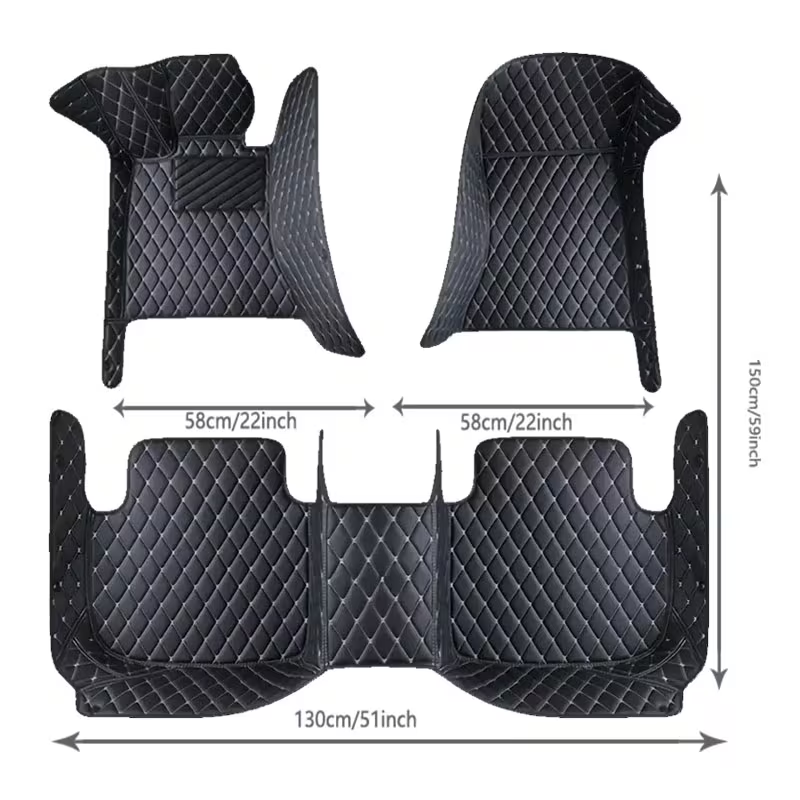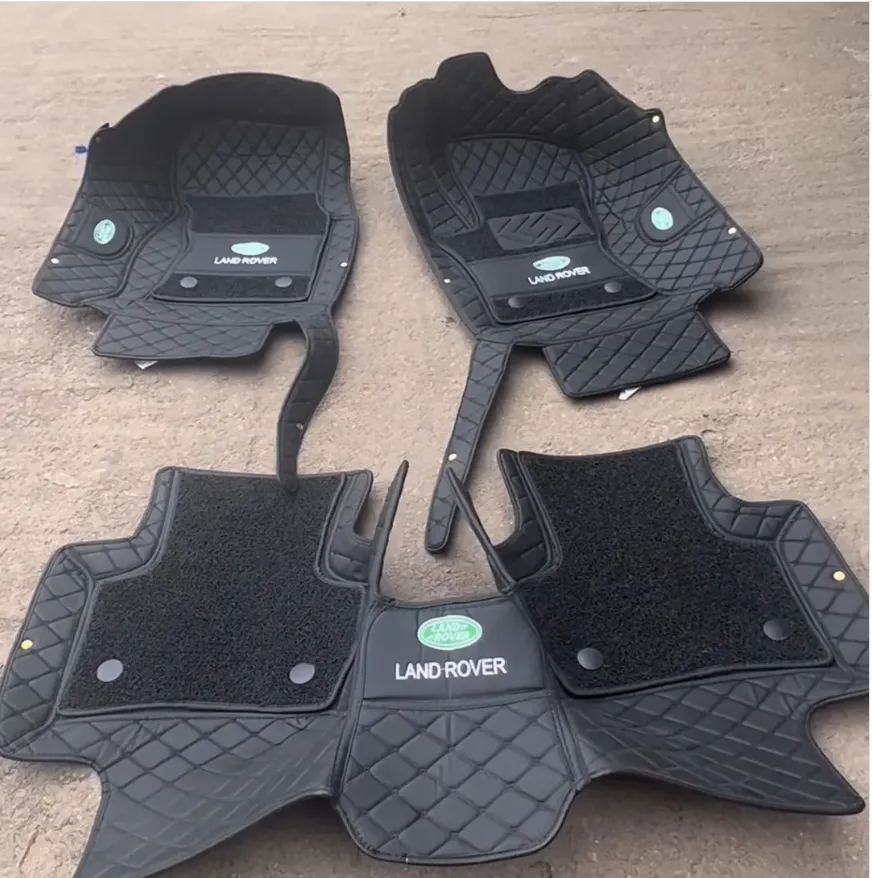
Water on top of a mat may simply come from wet shoes, but repeated dampness beneath the carpet can indicate a leak. Mats protect against tracked-in water; they cannot repair failed seals, blocked drains or AC faults. Find and fix the source before mould and electrical damage develop.
The simplest cause is water carried into the cabin. Raised-edge mats and an umbrella holder help contain it. Remove and dry wet mats promptly, then check whether the carpet underneath remains dry.
Wet footwear and umbrellas
The simplest cause is water carried into the cabin. Raised-edge mats and an umbrella holder help contain it. Remove and dry wet mats promptly, then check whether the carpet underneath remains dry.
Door and window seals
Damaged, dirty or displaced weather seals can allow rainwater to enter. Water marks near the door opening and dampness after parked rain are clues. A body or glass specialist should inspect and repair seals correctly.
Blocked body or sunroof drains
Some vehicles route rainwater through channels and drain tubes. Leaves, dirt or disconnected tubes can send water into pillars or footwells. Clearing them incorrectly can cause damage, so use vehicle-specific service information or professional help.
Air-conditioning drainage issues
A blocked or disconnected evaporator drain can produce water inside even when it has not rained. Dampness after AC use is a useful clue. This requires diagnosis; do not repeatedly cover the wet carpet with another mat.
Windscreen and body leaks
Poor glass bonding, accident repairs, rust or missing body plugs can admit water. The visible wet point may be far from the entry point because water travels behind trim. Leak tracing and safe trim removal are specialist tasks.
Drying after the repair
Remove standing water, dry mats and carpet thoroughly and inspect underlay where accessible. Persistent smell or mould requires proper treatment. Do not reconnect or disturb wet electrical components without trained assistance.
This guide provides general buying and safety information, not vehicle-specific technical or legal advice. Manufacturer instructions and current official Nigerian requirements take priority.