A better interior does not require expensive modification. Start by cleaning and repairing faults, then choose compatible upgrades that solve real problems. The ten ideas below focus on protection, organisation and daily comfort without interfering with airbags, controls or visibility.
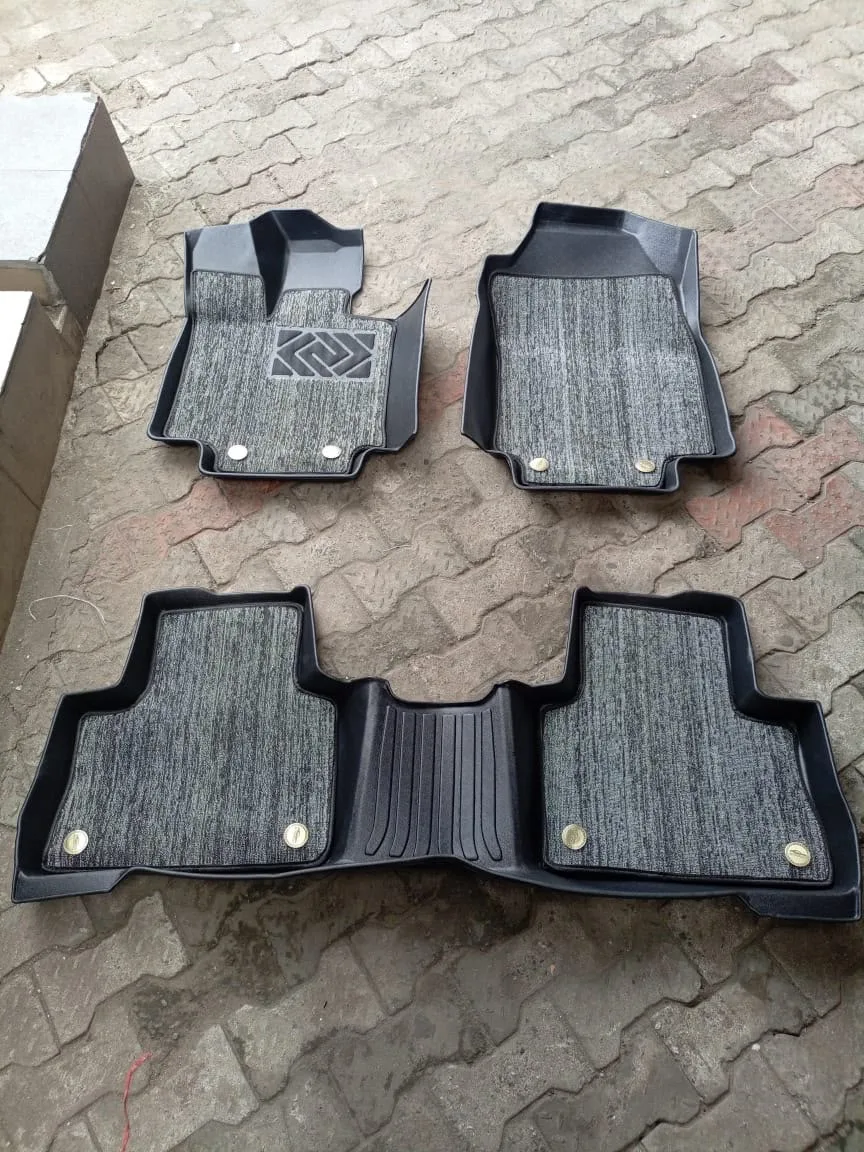
Correctly fitted seat covers reduce direct wear, while secure mats contain dust and water. Confirm seating layout, airbags, rear splits and pedal clearance. Remove covers periodically to inspect the original upholstery and never stack floor mats.
1–2. Seat and floor protection
Correctly fitted seat covers reduce direct wear, while secure mats contain dust and water. Confirm seating layout, airbags, rear splits and pedal clearance. Remove covers periodically to inspect the original upholstery and never stack floor mats.
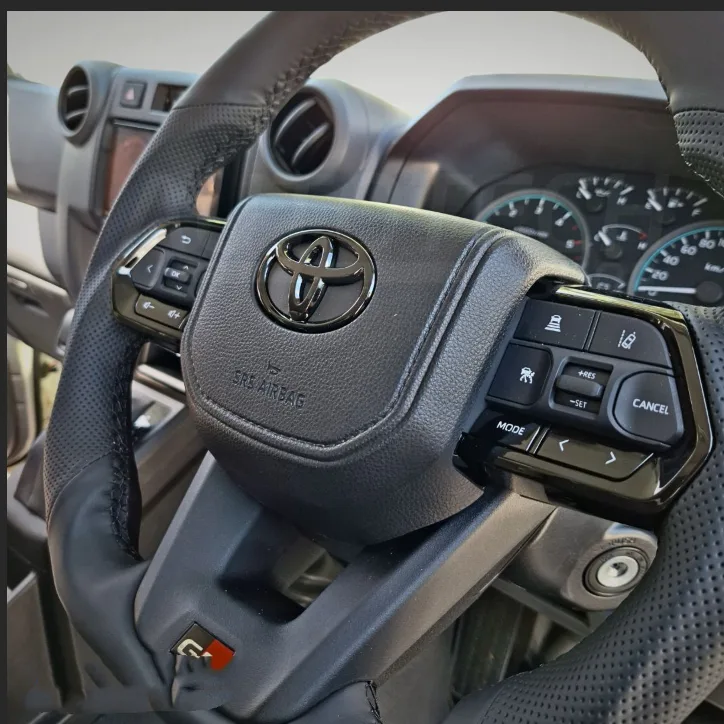
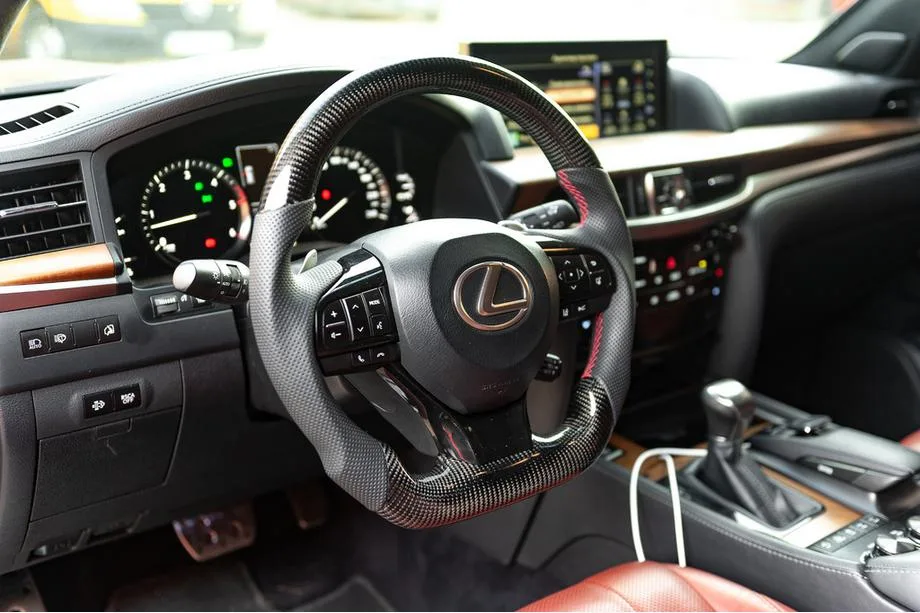
3–4. Steering comfort and phone mounting
A secure steering cover can improve grip when correctly sized and fitted; a loose cover is dangerous. Use a phone mount that keeps navigation visible without blocking the windscreen, controls, vents or airbag zones.
5–6. Better charging and organisation
Choose a compatible charger with appropriate protection and keep cables away from pedals and gear controls. A console organiser or branded tissue holder can reduce clutter when securely positioned rather than left loose on the dashboard.
7–8. Dashboard care and cabin freshness
Gentle cleaning and sun protection preserve dashboard surfaces. After removing rubbish, dampness and odour sources, a moderate air freshener can improve the cabin. Fragrance should not replace AC or upholstery cleaning.
9. Practical cleaning equipment
A compact vacuum, microfibre cloth and surface-compatible cleaner make small clean-ups easier. Store liquids upright and away from extreme heat. Test products on a hidden area and follow both product and vehicle instructions.
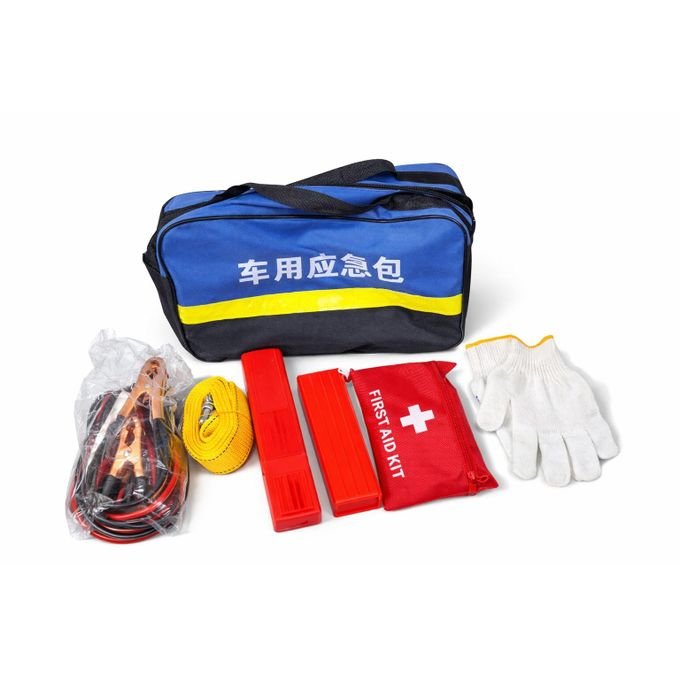
10. Emergency preparation
The most valuable upgrade may be a maintained emergency kit with warning, first-aid, tyre and battery support appropriate to the car. Keep it accessible, inspect it regularly and learn how to use each item before an emergency.
This guide provides general buying and safety information, not vehicle-specific technical or legal advice. Manufacturer instructions and current official Nigerian requirements take priority.